
Jam Pedals: Delay Llama Review
I’m going to start this review with a generalization; I think that a guitarist never thinks his “tone” is good enough unless he feels happy about the gear he is using.
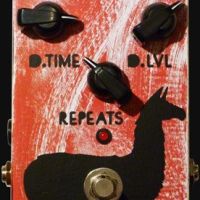
I’m going to start this review with a generalization; I think that a guitarist never thinks his “tone” is good enough unless he feels happy about the gear he is using.
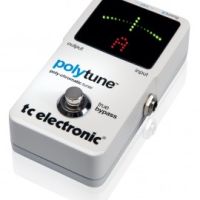
It seems everyday there is a new guitar gadget coming out promising to improve tone or employing “space-age technologies” to revolutionize the instrument.

This fantasy comes to life each year at Heritage Guitar Inc. located at 225 Parsons Street, Kalamazoo Michigan.
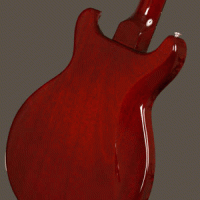
We had high expectations when we picked up the new Paul Reed Smith maple-top Mira guitar from their factory in Stevensville, Maryland.

Copied below is my response to the contributors’ poll H+ Magazine published on New Year’s Eve Eve, 2010: “What were the best and worst _______s of the 00s?”
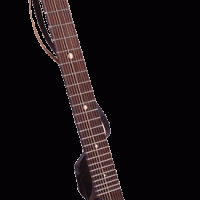
It’s called the Chapman Stick, and it was one of the most radical developments in music from the second half of the Twentieth Century (the first half goes to the electric guitar).

Think Led Zeppelin gear, and you think of Les Pauls, doublenecks, and Marshall amps. But Jimmy Page’s early gear in Led Zeppelin was actually a continuation of his old Yardbirds setup.
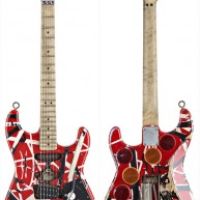
So you’ve seen the guitar of your dreams, but it has a nightmare price tag. What are your options? And should you spend more than you can afford to up-front?
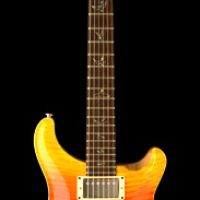
Having used a PRS guitar for over twenty years, and being the first guitarist to appear on a magazine cover with a PRS back in the day, it’s not a big surprise that Al Di Meola would team up with the American guitar giant to produce the PRS Al Di Meola Signature guitar, otherwise known as the Prism.
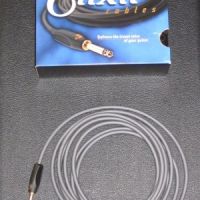
There are many decisions guitarists have to make in order to find their optimal tone. What guitar do they play, what strings do they use? Do they use their fingers or a pick? What effects pedals, if any, do they run through and what amp(s) do they run that signal through. While many guitarists spend countless hours searching for the best tone possible, using some or all of these methods, the one thing that often misses their radar is the cable they’re using.