Posted March 31, 2011 at 9:23 am | No comments
Rock has a legacy of communicating rebellion, with street smarts and an eye towards defining distinctions between generations, the rich and poor, the isolation of youth and the anger when dreams are shattered by realities. And it may not always be the lyrics that reflect the plight of the underdog, as much as the grit and primal nature of the sound of rock. Few places have risen to the occasion to offer up rock like Detroit and its surrounding working class suburbs.
Posted in: Classic Rock, Interviews, Rock Interviews

Posted March 31, 2011 at 3:27 am | No comments
Though it never reached the heights of some of their other songs, including “B.Y.O.B.” and “Chop Suey,” System of a Down’s “Toxicity” was still ranked by VH1 as the 14th best Metal Song of all time, and remains to this day as one of their most recognizable songs. Coming to the modern metal scene with a highly unique and personalized sound, System of a Down’s use of diverse rhythms, tones, harmonies and tempos makes them one of the few bands to stand out among today’s crowded metal scene, and “Toxicity” is a showcase for all of these songwriting techniques and more.
Posted in: Guitar Tab
Posted March 30, 2011 at 7:57 am | No comments
After finding international success in the 1970s, Progressive-Psychedelic rock band Nektar found themselves going their separate ways, and not releasing an album after 1980s Man in the Moon. The next two decades found Nektar’s band members doing solo project and pursuing other endeavors as the band moved further away from their heydays of the ‘70s. While many other bands would have simply moved on and called it quits after such a long time apart, in 2002 Nektar reunited and have been recording and touring together ever since.
Posted in: Interviews, Prog Rock, Prog-Rock Interviews

Posted March 30, 2011 at 6:21 am | No comments
It’s a testament to the level of skill and musicianship possessed by the late, great Stevie Ray Vaughan that he could take a children’s nursery rhyme and turn it into a guitar-laden powerhouse, one that would receive radio play and become a staple of the live show of one of the greatest guitarists that ever walked this earth. Not only did he take a simple tune and breathe new life into it, he came up with a classic blues riff at the same time, sending thousands of budding blues guitarists into the woodshed to get this classic line under their fingers.
Posted in: Guitar Tab
Posted March 29, 2011 at 5:25 pm | No comments
Through this article I’ll explain the basics about major scale. It is a fundamental and rudimentary scale in music because everything relates to it. Sooner or later, you will realize that you can’t progress as a guitarist without knowing about this scale.
Posted in: Beginning Lessons, Guitar Lessons

Posted March 29, 2011 at 7:07 am | No comments
Recorded on the fourth day of a 10-day fast, which Vai used to bring himself into an altered state of consciousness to reach a deeper level of creativity, the song “For the Love of God” has become a staple of his live shows and a fan favorite since being released on the 1990 album Passion and Warfare. The song not only features a memorable melody line and ear grabbing chord progression, but it showcases all of the extended guitar techniques that have since become characteristic of Vai’s playing, including whammy-bar dives, harmonics, two-hand tapping and volume swells.
Posted in: Guitar Tab

Posted March 28, 2011 at 10:02 am | No comments
Kicking off with a distinctive cowbell sound, no it’s not “Don’t Fear the Reaper,” the Rolling Stones’ mega-hit “Honky Tonk Women” has a curious story behind its lyrics, opening guitar riff and where it was written. Though the song talks about a “bar-room queen in Memphis,” the song was originally written by Mick Jagger and Keith Richards in Sao Paulo, Brazil while they were on vacation there in December and January of 1968-1969. As well, the song’s lyrics appeared in two different forms early on in its life, and the scene for the song’s narrative moved from Memphis to Jackson, before settling on Memphis in the most famous version of the song that we still hear on the radio today.
Posted in: Guitar Tab

Posted March 27, 2011 at 8:53 am | One comment
The Red Hot Chili Peppers have always been known for their funky influences and deep groove, and their 2002 single “Can’t Stop,” which was originally released on their album By the Way, is a prime example of these two RHCP characteristics. Kicking off with a two note riff, guitarist John Frusciante then dives into a counterpoint-based lick that has since become a favorite of guitarists who are learning the RHCP catalogue. Though the song features more of a rock beat, this intro and verse riff are as funky as they get, and are a great intro to the Chili Peppers approach to riff writing.
Posted in: Guitar Tab
Posted March 26, 2011 at 5:08 am | No comments
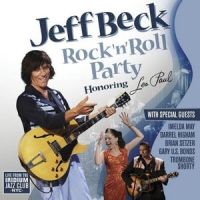
At the Iridium Jazz Club, where the legendary Les Paul played weekly, on the night of what would have been his 95th birthday, Jeff Beck and a slew of guests honored the guitar great. An avid fan of Les Paul, Jeff Beck seemed the obvious selection to host Rock & Roll Party: Honoring Les Paul. The two guitarists became fast friends after a brief encounter in the ‘80’s, shared a similar playing style, and both experimented with the idiomatic guitar sound.
Posted in: Classic Rock, DVD Reviews, Reviews

Posted March 26, 2011 at 5:01 am | No comments
When Radiohead broke into the charts with their song “Creep,” they fit right in with the grunge-alternative sound of the times, but they’re foray into the harder side of modern rock took a more personalized and unique twist when they wrote and recorded the song “Fake Plastic Trees.” While the song would mark a step in a different direction for the band, away from the grunge sound of “Creep” and more towards the haunting and experimental sound of their later work, the song almost didn’t happen.
Posted in: Guitar Tab